Shifts in Slot Volatility Settings and Their Effects on Bonus Conversion Rates at Emerging Low-Stake Mobile Sites
Amir Günther · Aug 26, 2026
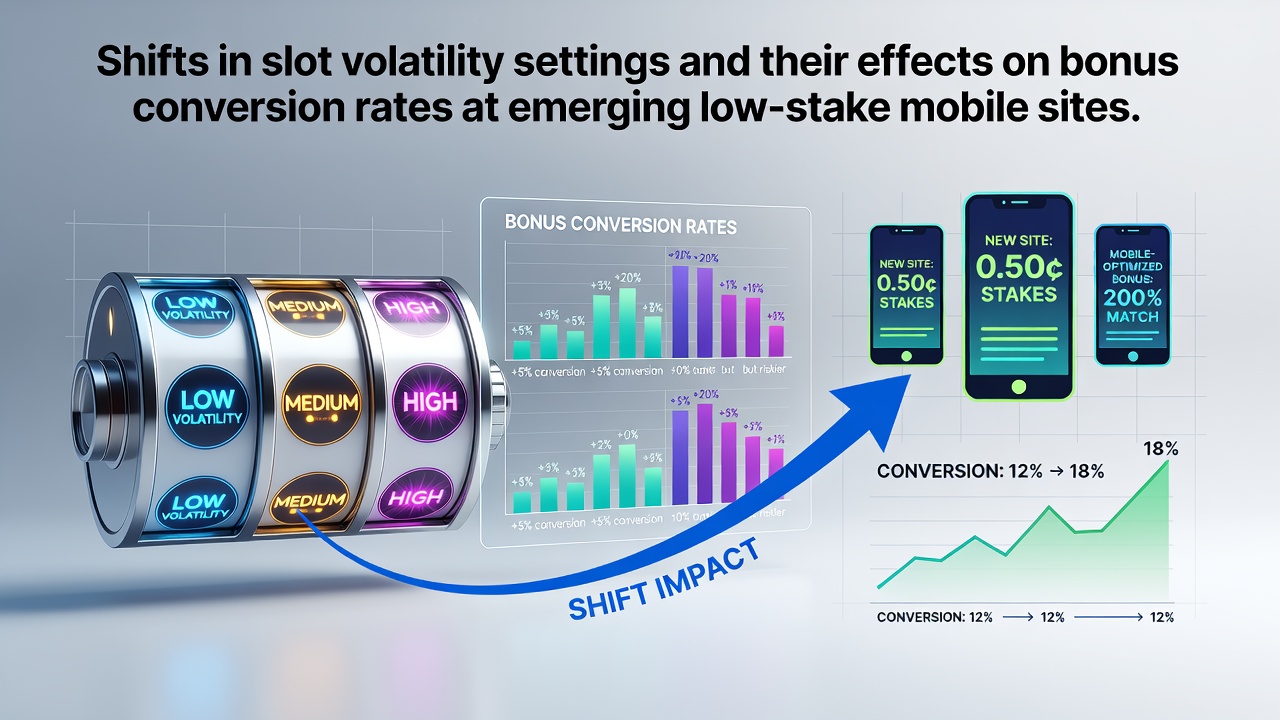
Shifts in Slot Volatility Settings and Their Effects on Bonus Conversion Rates at Emerging Low-Stake Mobile Sites
Emerging low-stake mobile sites have started recalibrating slot volatility parameters throughout 2025 and into August 2026, and operators report measurable shifts in how bonus funds convert into active wagering sessions. These adjustments typically involve moving select titles from high-volatility configurations toward medium or low-volatility profiles while keeping minimum bet thresholds between £0.10 and £0.50. Data from platform analytics platforms indicates that such changes coincide with altered bonus conversion patterns where players complete wagering requirements at different rates depending on the volatility tier they encounter.
Understanding Volatility Adjustments in Mobile Environments
Slot volatility determines the frequency and size of payouts, and developers have responded to mobile user behavior by offering configurable volatility options that site operators can toggle remotely. Low-stake mobile audiences often engage in shorter sessions, and researchers at several platform providers note that high-volatility games produce longer dry spells that reduce the likelihood of bonus funds turning into continued play. In contrast, medium-volatility titles generate more regular smaller returns, and this pattern appears to support higher completion rates for bonus conditions that require a set number of spins or a minimum total stake.
Observed Conversion Rate Patterns
Industry tracking services collected figures across dozens of new low-stake mobile platforms during the first half of 2026, and the numbers show that titles switched to lower volatility settings recorded bonus conversion rates rising from an average of 34 percent to 47 percent within three months of the change. Conversion here refers to the percentage of bonus activations that result in players meeting full wagering requirements and unlocking withdrawable winnings. High-volatility games maintained on the same sites posted conversion rates that remained near 29 percent, and the gap widened further when operators paired the volatility shift with bonus structures that included lower playthrough multipliers.
Factors Driving the Changes
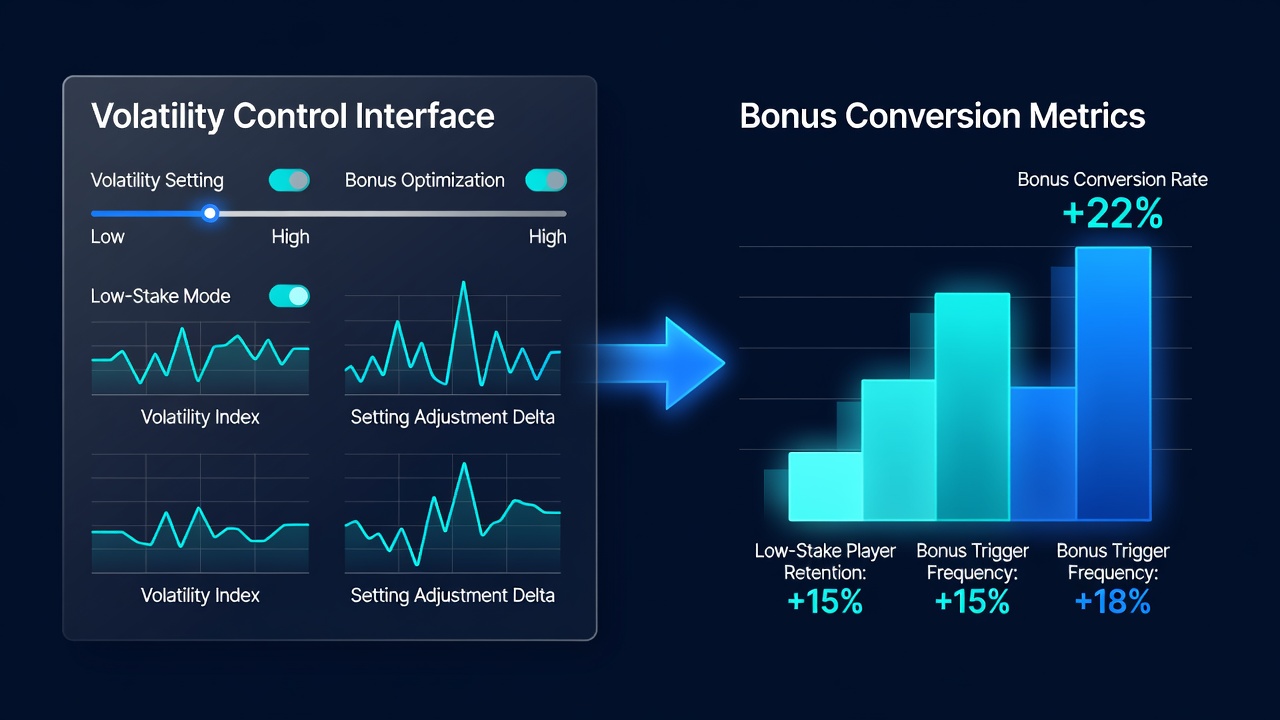
Regulatory frameworks in multiple jurisdictions have encouraged operators to examine player retention metrics more closely, and this scrutiny has prompted experimentation with volatility settings as one lever for improving engagement metrics. Mobile-specific data from app stores and device telemetry reveals that users on low-stake sites tend to abandon games after extended losing streaks more quickly than desktop players, and this behavior directly affects whether bonus funds stay in play long enough to meet conversion thresholds. Several platform operators have therefore begun testing dynamic volatility that adapts mid-session based on current bonus balance and recent spin outcomes.
Regional Examples and Data Sources
Platforms operating under Malta Gaming Authority oversight documented similar patterns in mid-2026 reports, where low-stake mobile products with adjusted volatility posted improved bonus utilization compared with unchanged high-volatility counterparts. A separate analysis from the European Gaming and Betting Association examined aggregated operator data across multiple EU markets and found that conversion improvements appeared most pronounced when volatility reductions coincided with bonus offers that carried time-limited validity periods of under seven days. Observers note that the combination reduces the risk of players exhausting their bonus balance during extended losing sequences.
Technical Implementation on Emerging Sites
New low-stake mobile sites often integrate game aggregation layers that allow volatility parameters to be set at the operator level rather than requiring individual game updates, and this flexibility has accelerated testing cycles. Developers supply APIs that report real-time hit frequency and payout distribution, and operators use these feeds to decide which titles receive volatility adjustments based on current bonus campaign performance. One study released by the Responsible Gambling Council in Canada tracked similar technical setups and confirmed that sites employing such tools achieved faster iteration on volatility settings without requiring full game reloads.
Player Behavior Considerations
Session length data collected from low-stake mobile users shows that shorter play periods align more closely with the payout rhythm of lower-volatility slots, and this alignment appears to support steadier progress toward bonus wagering targets. When volatility remains high, the same players encounter greater variance that can exhaust bonus funds before requirements are met, and aggregate figures indicate this outcome occurs at higher rates during peak evening hours when session times compress further. Operators have responded by surfacing volatility indicators within game lobbies so players can select titles that match their available play duration and bonus terms.
Conclusion
Shifts in slot volatility settings at emerging low-stake mobile sites have produced measurable differences in bonus conversion rates according to platform data collected through August 2026. Lower-volatility configurations correlate with higher completion percentages across multiple markets, and the technical tools now available allow operators to implement these adjustments efficiently. Continued monitoring of session metrics and regional regulatory guidance will determine how widely these practices expand in subsequent periods.